How to choose the best areas to stay in London for tourists
Choosing where to stay in London shapes every moment of your trip. The most convenient neighbourhoods for visitors balance quick Tube access, a safe and lively street scene, and a realistic budget for your preferred hotel style. When you plan your stay with the city layout in mind, you spend less time commuting and more time enjoying world‑famous sights.
Think of the capital as a series of villages, each district offering a distinct mood and different places to stay. Central London concentrates many of the city’s best landmarks, from Big Ben and the London Eye to the theatres around Covent Garden and the shopping on Oxford Street. South of the river, the South Bank and Tower Bridge zone feel more dramatic and modern, while west London areas such as Notting Hill and South Kensington offer calmer residential streets.
For most first‑time visitors, the most convenient districts sit within or just beyond central London, ideally within walking distance of at least one major attraction. You want a hotel that keeps your daily Tube journeys short, especially if you are travelling with children or luggage and plan to cross town several times. With around 21 million international visits to London in 2019, according to VisitBritain’s city statistics, the competition for good hotels is intense, so booking early secures better mid‑range and premium options.
Covent Garden, Westminster and the heart of central London
For many visitors, Covent Garden is the single best answer to the question of the best areas to stay in London for tourists. Official guidance from local tourism bodies notes that “Covent Garden offers central location and vibrant atmosphere”, and that matches what you feel on the ground, from the covered market arcades to the street performers in the main piazza. A stay here places you in the middle of London’s theatre district, with cafés, restaurants and hotels packed into every side street.
Rooms in this area rarely count as budget, but the trade‑off is exceptional convenience and time saved. You can walk from most Covent Garden hotels to Leicester Square, Soho, Trafalgar Square and the river in under fifteen minutes, which means many of the city’s best museums and galleries are within easy reach. The Tube network fans out from nearby stations such as Covent Garden, Leicester Square and Holborn (all Zone 1), so you can reach South Kensington, the South Bank or even Shoreditch without complicated changes.
Westminster sits just to the south‑west and suits travellers focused on iconic landmarks rather than nightlife. A hotel near Parliament Street or Whitehall puts Big Ben, Westminster Abbey and the London Eye almost on your doorstep, while St James’s Park and Green Park offer calm green space. This part of central London tends to quieten in the evening, so it works well for families or couples who want a peaceful base while remaining close to the core of the city.
South Bank, Tower Bridge and riverside stays for culture lovers
Following the Thames east from Westminster brings you to the South Bank, one of the best areas to stay in London for tourists who prioritise culture and views. Here the riverfront promenade links the London Eye with the Southbank Centre, the National Theatre and Tate Modern, creating a continuous strip of galleries, stages and restaurants. A hotel along this stretch or slightly inland towards Waterloo or Blackfriars offers a memorable skyline at almost every turn.
Many travellers choose this area because it balances central London access with a slightly calmer evening atmosphere than Covent Garden or Soho. You can walk across the river to the West End in around twenty minutes, yet still retreat to a quieter stay once the theatres empty and Oxford Street shopping crowds disperse. Several Park Plaza properties cluster around Westminster Bridge and Waterloo, giving mid‑range options with generous family rooms, pools in some locations and reliable facilities.
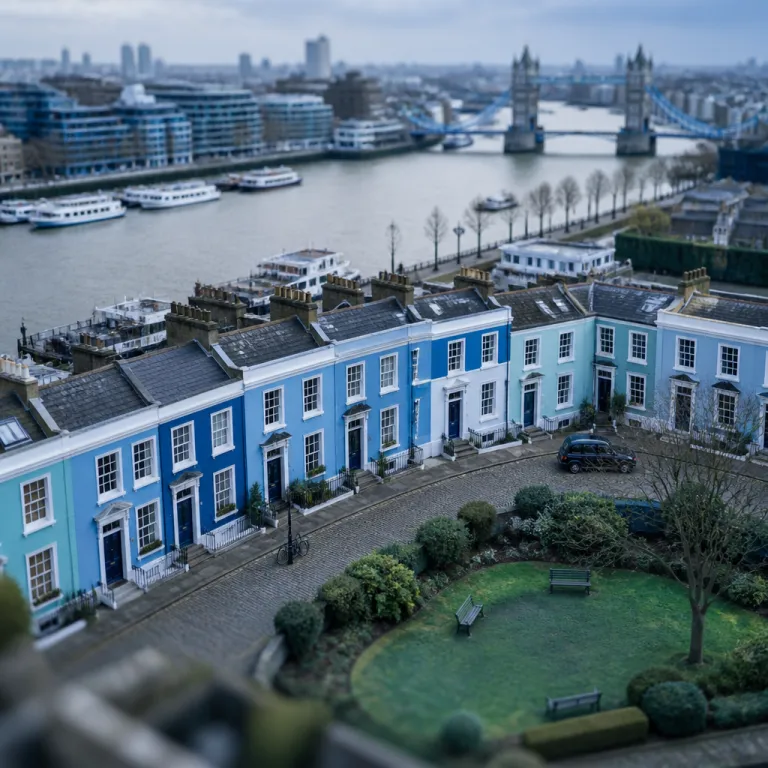
Continue east and the character shifts again around Tower Bridge and the Tower of London, where glass towers rise beside medieval stone walls. Hotels here work well for visitors who want to explore the historic fortress early in the day, then use the Tube from Tower Hill or London Bridge (Zones 1–2) to reach other parts of the city. The riverside paths make it easy to enjoy a sunset walk, and many rooms offer great views of the illuminated bridge, which can make even a short stay feel special.
South Kensington, Hyde Park and Notting Hill for museums and classic charm
West of the centre, South Kensington ranks among the best areas to stay in London for tourists who love museums and elegant streets. The Natural History Museum, the Science Museum and the Victoria and Albert Museum sit within a few minutes’ walking distance of each other, which is ideal for families and curious adults. A hotel in South Kensington or neighbouring Gloucester Road keeps you close to these institutions while offering a calmer residential feel than the very heart of central London.
Hyde Park lies just to the north and acts as a green anchor for this part of the city, with Kensington Gardens extending the parkland further west. Staying near the park gives you easy access to morning runs, relaxed picnics or simple quiet time between busy sightseeing sessions. Many mid‑range hotels line Bayswater Road and Queensway, typically ten to fifteen minutes by Tube from Oxford Circus, so you can find a comfortable base that still leaves room in your budget for dining and theatre tickets.
Notting Hill, slightly further north‑west, appeals to travellers seeking colour and character rather than big‑name attractions. The pastel terraces, Portobello Road Market and independent shops create one of London’s best neighbourhood atmospheres, especially on weekends. While Tube journeys from here to areas such as Covent Garden or the South Bank take a little longer, many guests consider the charm of the streets and the more local feel a worthwhile trade‑off.
Shoreditch, King Cross and emerging creative hubs
Travellers who care as much about nightlife and food as famous monuments often find the best areas to stay in London for tourists slightly east of the traditional core. Shoreditch has transformed from an industrial quarter into a creative hub, with street art, late‑night bars and inventive restaurants filling former warehouses. A hotel here suits visitors who want to experience a different London energy, especially in the evenings.
From Shoreditch High Street and Old Street stations, the Tube and Overground lines connect quickly to central London, so you can still reach Big Ben or Oxford Street in around twenty minutes. Daytime brings coffee shops, design studios and markets, while nights are louder and more animated than in South Kensington or near Hyde Park. This makes Shoreditch one of the best areas for younger travellers or anyone who prefers a stay that feels plugged into current trends.
King Cross, just to the north of the West End, offers a different kind of modern regeneration and has become one of the most practical places to stay. The station links national rail, Eurostar and multiple Tube lines, which dramatically reduces travel time across the city and beyond. Around the canalside development of Coal Drops Yard you will find stylish hotels, mid‑range chains and dining options that make this area a great base for both short and longer stays.
Budget, mid range and luxury: matching your hotel to your itinerary
Understanding how budget and comfort interact with location is essential when comparing the best areas to stay in London for tourists. Average hotel prices in the city now sit around one hundred and fifty pounds per night, based on Statista data for 2023 on London’s hotel market, so choosing a slightly less central area can free funds for experiences. Think carefully about how often you will use the Tube each day and whether walking distance to specific sights such as the London Eye or Tower Bridge matters more than room size.
Budget travellers often look just beyond the tightest central London ring, in districts such as Earl’s Court, Paddington or parts of the South Bank further from the river. These areas still offer quick Tube access to the city’s core, but nightly rates drop compared with Covent Garden or Westminster. As a rough guide, simple rooms can start from around eighty to one hundred pounds per night in low season, based on typical online booking data, if you are willing to trade a ten‑minute extra journey for lower prices.
Mid‑range guests might focus on reliable chains and independent properties in South Kensington, near Hyde Park, around King Cross or by Park Plaza locations on the river. These places stay busy because they balance cost, comfort and access to the best areas, giving you flexibility to explore multiple neighbourhoods in one trip. Luxury seekers, by contrast, often choose prime streets in Mayfair, Knightsbridge or along the Thames, where five‑star hotels frequently exceed four hundred pounds per night and the city feels like an extension of the lobby.
Key statistics for choosing where to stay in London
- London welcomed about 21 million international visits in 2019, according to VisitBritain’s city‑level figures, which means the most popular districts for visitors often sell out months in advance during peak seasons.
- The average hotel price in the city stands at roughly 150 GBP per night, based on Statista data for 2023 on London’s accommodation sector, so selecting a slightly less central area can significantly improve your overall budget.
- Most first‑time visitors structure their day into morning sightseeing, afternoon shopping and evening dining, which makes staying within a short Tube ride of both Westminster and Covent Garden highly efficient.
- Increased interest in East London arts and food has driven more hotels to open in Shoreditch and nearby districts, expanding the range of mid‑range and design‑focused places to stay beyond traditional central London zones.
FAQ: best areas to stay in London for tourists
What is the best area to stay in London for first time visitors ?
For a first stay, Covent Garden is usually the best area because it combines a central London location, lively streets and easy Tube access. You can walk to many major sights, including Trafalgar Square, parts of Westminster and the West End theatres. This reduces travel time and helps you experience the city at different hours of the day.
Which London neighbourhood is best for families ?
South Kensington works particularly well for families thanks to its cluster of major museums and proximity to Hyde Park. Children can enjoy the Natural History Museum and the Science Museum, then run off energy in the park within minutes. The streets feel residential and calm, yet the Tube links keep you close to other popular areas such as Covent Garden and the South Bank.
Where should I stay in London for nightlife ?
Soho and Shoreditch are the strongest choices for nightlife‑focused stays, each offering a different mood. Soho sits near Oxford Street and the West End, with bars and clubs packed into narrow streets that stay busy late. Shoreditch, further east, mixes creative venues, live music and street food, making it one of London’s best options for a more alternative scene.
What area in London is best for shopping ?
Oxford Street remains the main shopping artery, with hundreds of stores stretching between Marble Arch and Tottenham Court Road. Staying nearby in Marylebone, Soho or Fitzrovia keeps you within walking distance of this retail corridor and the boutiques of Regent Street and Carnaby. Covent Garden also offers excellent shopping, especially for fashion, beauty and gifts in a more historic setting.
Which London neighbourhood offers a more local experience ?
Notting Hill provides a charming, village‑like atmosphere with colourful houses, independent shops and the famous Portobello Road Market. A stay here feels less like a traditional tourist base and more like living in a residential part of the city, especially on quieter weekdays. You will still have straightforward Tube connections to central London, but your immediate streets will feel distinctly local.
Practical transport tips for getting around London
Most central districts mentioned above sit in Zones 1–2, with key stations such as Covent Garden, Westminster, South Kensington, Paddington, King Cross St Pancras, London Bridge and Waterloo linking you to the wider network. Typical journey times include around ten minutes from Covent Garden to Westminster, fifteen minutes from South Kensington to London Bridge and twenty minutes from Shoreditch to Oxford Circus, not including walking or waiting.
Contactless bank cards and mobile payments charge the same fares as an Oyster card and automatically cap your daily and weekly spend, so you rarely need a paper Travelcard. Always tap in and out on the yellow readers, allow extra time for interchanges in large stations and avoid the weekday rush hours if you are travelling with luggage or young children.