Planning a hotel stay around the top attractions in london
Choosing where to stay in London is easier when you anchor your plans around the main sights and experiences the city offers. If you book rooms within walking distance of a major museum, palace, or market, you cut travel time and gain precious extra hours in the city. This approach turns every day of your trip to London into a seamless blend of sightseeing, dining, and hotel comfort.
Central districts such as Westminster, the South Bank, and the West End place you close to the London Eye, the British Museum, and the Tower of London. From these areas you can join a guided walking tour in the morning, enjoy afternoon tea in a grand hotel lounge, then return to your rooms before an evening theatre performance. When you visit at busy periods, staying near the main sights makes London worth the planning effort and the slightly higher nightly rate.
Before you book, study a city map and mark the attractions you most want to visit. Travellers focused on royal history often prioritise Buckingham Palace, Westminster Abbey, and the Tower of London complex, while culture lovers lean towards Tate Modern and the British Museum. If your interests centre on food and street life, you may prefer hotels near Borough Market, Camden Market, or Notting Hill so that the market streets become part of your everyday route.
Royal landmarks and river icons near key hotel districts
Many guests choose hotels around Westminster because this area concentrates several headline London attractions along one dramatic curve of the Thames. Within a short walking tour you can move from the neo-Gothic outline of Westminster Abbey to the political heart of the city, then cross the river to the London Eye. This compact geography means you spend more time exploring and less time in transit between your rooms and each landmark.
Westminster Abbey rewards an unhurried visit, especially if you appreciate British history and ceremonial tradition. Inside the abbey you stand among the tombs of monarchs and poets, then step back outside to see the Palace of Westminster and its clock tower, often associated with Big Ben, rising above the river. Many travellers pair this with a timed rotation on the London Eye, whose 135 metre height, as confirmed by the operator’s technical specifications, offers a sweeping view of the city skyline, including the distant outline of the Tower of London and the dome of St Paul’s.
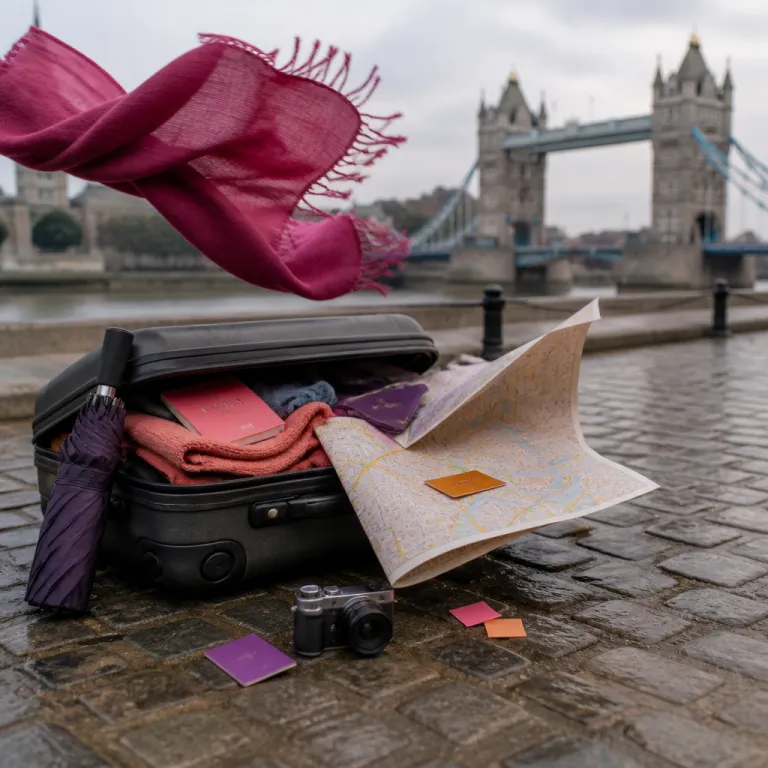
Further east along the river, the Tower of London and nearby Tower Bridge form another cluster of must-see sights that strongly influence where visitors book hotels. Staying near this historic tower places you close to the old City financial district, the river promenade, and several converted warehouses that now host restaurants and bars. From here you can follow the Thames Path on a self-guided walking tour towards Tate Modern, passing street performers, war memorials, and views that underline why many travellers judge London worth several return visits.
Museums, war rooms, and the pull of british history
For many culture focused travellers, the museums alone justify planning a trip to London and choosing a hotel near Bloomsbury or South Kensington. The British Museum, which welcomed around 5.8 million visitors in 2023 according to its published annual report, anchors one of the densest clusters of major cultural attractions in the city. Staying nearby allows you to visit the museum in shorter sessions, returning to your rooms to rest between the Egyptian galleries, the Greek marbles, and the rotating special exhibitions.
South Kensington offers a different but equally compelling trio of institutions, with the Natural History Museum, the Science Museum, and the Victoria and Albert Museum lining the same broad street. Families often find this area ideal because each history museum offers free entry to its permanent collections, making London worth considering even for longer stays with children. The Natural History building itself, with its cathedral like hall and dinosaur displays, can easily fill half a day before you retreat to your hotel for a quiet afternoon tea.
Political and military history fans gravitate towards the Churchill War Rooms, an underground complex preserved from the Second World War. Here you walk through the actual war rooms where Churchill and his équipe coordinated British strategy, an experience that brings the abstract idea of war down to human scale. Many visitors combine the Churchill War Rooms with a visit to nearby Westminster Abbey and a stroll through St James’s Park, creating a full day that moves from conflict to reflection and then to green calm before returning to their booked rooms.
Markets, neighbourhoods, and street life that shape where you stay
Some of the top attractions in London are not monuments at all but living markets and neighbourhoods that change character by the hour. Camden Town, with its canals, music venues, and alternative fashion, draws younger visitors who like to book hotels or guesthouses within walking distance of Camden Market. Waking up near this market lets you experience its quieter morning side before the crowds arrive, then retreat to your rooms when the day reaches its busiest point.
Food lovers often structure a trip to London around Borough Market, one of the city’s most atmospheric places to taste British and international produce. Staying near London Bridge or the South Bank means you can visit the market early, pick up breakfast, then follow the river towards Tate Modern and the Globe Theatre. This combination of market energy, riverside walking tour options, and easy access to major museums makes London worth serious consideration for travellers who value both cuisine and culture.
On the western side of the city, Notting Hill offers a softer, pastel coloured version of London street life, especially around Portobello Road on market days. Guests who book rooms here often prioritise slower mornings, local cafés, and the pleasure of wandering residential streets lined with townhouses. While Notting Hill sits slightly away from the densest cluster of top attractions in London, its charm, independent shops, and direct transport links into the centre balance the extra travel time.
Harry potter, modern art, and family friendly highlights
Families planning where to stay often weigh the top attractions in London that appeal across generations, from Harry Potter experiences to contemporary art. Many choose central hotels that offer larger family rooms so they can reach both the West End theatres and the mainline stations for Harry Potter studio tours. Being based in the heart of the city also shortens the journey to riverfront icons like the London Eye, which remains one of the most requested things London offers for first time visitors.
Harry Potter fans have several options within the city itself, including themed walking tour routes that trace filming locations around Leadenhall Market, Millennium Bridge, and other recognisable streets. Staying near these areas allows you to join a morning tour, return to your hotel for a relaxed afternoon tea, then head back out for evening photographs when the city lights soften. This rhythm turns a simple visit into a layered experience, especially when combined with a day trip to the Warner Bros studio complex outside London.
Art enthusiasts often centre their trip to London around Tate Modern, housed in a converted power station on the South Bank. From many nearby hotels you can walk directly to the museum, explore its free permanent collection, then cross the Millennium Bridge towards St Paul’s Cathedral and the older City streets. This mix of modern art, historic architecture, and river views reinforces why so many travellers consider London worth multiple stays in different districts over time.
Afternoon tea, city views, and practical tips for hotel guests
Once you have chosen a hotel near the top attractions in London that matter most to you, the finer details of your stay begin to shape the overall experience. Traditional afternoon tea, for example, becomes more than a meal when enjoyed in a grand lobby after a morning at Buckingham Palace or the British Museum. Many central hotels now offer their own take on afternoon tea, allowing you to sample British flavours without straying far from your rooms.
Time management is crucial in a city where there is always another tower, market, or museum to explore. Official guidance from the tourism board notes that “Book tickets in advance, check opening hours, use public transport for convenience.” Following this advice helps you secure timed entry to popular sites such as the London Eye, Westminster Abbey, and the Churchill War Rooms, reducing queues and freeing more of your day for spontaneous street discoveries.
When you book, consider how you will move between the city’s different quarters, from Camden Town to Westminster and from Borough Market to Notting Hill. Hotels near major Underground interchanges or river piers make it easier to link a morning visit to Buckingham Palace with an afternoon at a history museum or a sunset ride on the London Eye. With thoughtful planning, each day of your trip to London can balance headline attractions, quieter neighbourhood walks, and the restorative comfort of returning to well chosen rooms at just the right time.
Key figures that highlight london’s visitor appeal
- The British Museum welcomes around six million visitors each year, underlining its status as one of the top attractions in London and a major reason many travellers choose hotels within easy reach of Bloomsbury.
- The London Eye rises to 135 metres above the Thames, giving hotel guests a clear sense of the city’s scale and helping them visualise how close their chosen district sits to other landmarks.
- The Tower of London has stood for roughly one thousand years, making this fortress tower one of the oldest continuously significant sites in the city and a powerful anchor for any history focused visit.
FAQ about the top attractions in london for hotel guests
What are the top attractions in london near central hotels ?
Staying in central London places you close to the British Museum, the London Eye, the Tower of London, Buckingham Palace, and Westminster Abbey, all of which are easily reached by Underground or on foot from major hotel districts.
How can I book tickets for major london attractions from my hotel ?
You can usually book tickets online through the official websites of each attraction, while many hotels also assist with reservations for the London Eye, the Churchill War Rooms, and guided walking tours if you prefer in person support.
Are there free museums near popular hotel areas in london ?
Yes, several leading institutions such as the British Museum, the Natural History Museum, and Tate Modern offer free entry to their main collections, which makes London worth considering even for longer cultural stays.
Is london worth visiting if I only have one or two days ?
Even with a short stay you can focus on a compact area, such as Westminster and the South Bank, to see highlights like Westminster Abbey, Buckingham Palace, the London Eye, and a nearby history museum without spending all your time in transit.
Which markets should I prioritise if my hotel time is limited ?
If your schedule is tight, Borough Market is ideal for food near central hotels, while Camden Market and the surrounding Camden Town streets offer a stronger alternative culture atmosphere that many visitors find memorable.