Choosing where to stay London for your first elegant trip
For a refined first trip to London, focus on neighbourhoods that balance character with convenience. In this London travel guide 2024, Central London emerges as the best base because you can walk to major sights and still return easily to your hotel after dinner. Staying near the river places you between the city’s historic core and the cultural districts that define modern London, England.
Look closely at areas around Covent Garden, Westminster, and the stretch between Trafalgar Square and Hyde Park if you want an elegant stay in London with minimal commuting. These districts give you quick access to Big Ben, the theatre scene, the Thames, and some of the London best restaurants, while still feeling safe and lively late in the day. When you stay in these central pockets, you reduce travel time and gain more time for slow breakfasts, afternoon tea, and unhurried evening walks.
Covent Garden suits travellers who want a lively atmosphere, stylish hotels, and easy access to the West End in the heart of the city. Westminster and the area around Westminster Abbey work well for visitors who prioritise history, government landmarks, and a short walk to Buckingham Palace and the river. For a calmer trip, consider hotels along the northern edge of Hyde Park, where you can start each day in London with a peaceful stroll before heading into the busier parts of the capital; mid-range rooms here often start around £200–£250 per night, with luxury options higher.
How to plan your london travel for comfort and efficiency
Elegant London travel begins with smart timing and realistic expectations about the city’s scale. The best time for a city break is usually spring or autumn, when temperatures are mild and the light flatters London’s stone façades throughout the day. Visitor advice from tourism bodies consistently notes that spring and autumn offer a good balance of pleasant weather and lighter crowds compared with the busiest summer weeks.
When you plan your trip, think in terms of neighbourhood clusters rather than a long list of scattered things London to tick off. Dedicate one day in London to Westminster and the river, another to Covent Garden and the British Museum, and a third to the area around the Tower of London and the City of London. This approach keeps travel times short, allows space for long lunches and afternoon tea, and turns your London travel into a series of elegant strolls rather than a rushed tour.
For a short trip to London of three to four nights, prioritise a few anchor experiences and let the rest of the time unfold naturally. Choose one major museum, one royal site such as Buckingham Palace or the Tower of London, and one green space like Hyde Park for balance. A thoughtful travel guide always emphasises that an elegant stay in London is less about seeing everything and more about giving each chosen place enough time to breathe.
Using public transport and the Oyster card with style
London’s transport network is dense, reliable, and essential for any well-planned trip. To move gracefully through the city, combine walking with the Underground, buses, and occasional taxis rather than relying on one mode all day. The most efficient way to pay is with an Oyster card or contactless bank card, which caps your daily spend and keeps London travel costs predictable; as of early 2024, the typical adult daily cap for Zones 1–2 is around £8–£9, according to Transport for London.
Transport for London, the authority that runs the system, has integrated contactless payments so that an Oyster card and a bank card work in similar ways for visitors. Many travellers ask whether public transport in London, England is expensive, and official guidance highlights that using an Oyster card or contactless payment usually reduces travel costs compared with paper tickets. For an elegant stay in London, this means you can glide between Westminster, Covent Garden, and Hyde Park without worrying about individual ticket prices every time you tap in.
Plan your day around logical routes, such as starting near your hotel in Central London, taking the Tube to Westminster for Big Ben and Westminster Abbey, then walking along the river towards the Tower of London. On another day, you might travel by bus to the British Museum, wander through Bloomsbury, and end in Covent Garden for dinner and a late evening stroll. A well-structured travel guide will always remind you to avoid peak commuter hours if possible, as this small adjustment can transform your London travel into a calmer, more refined experience.
Essential landmarks for an elegant london day
Some landmarks define London so completely that they shape any serious travel guide. Start one day with Westminster Abbey, where the history of England is written into stone, then step outside to see Big Ben and the Houses of Parliament rising above the Thames. This cluster alone can fill half a day in London if you allow time to appreciate the architecture and the quiet corners.
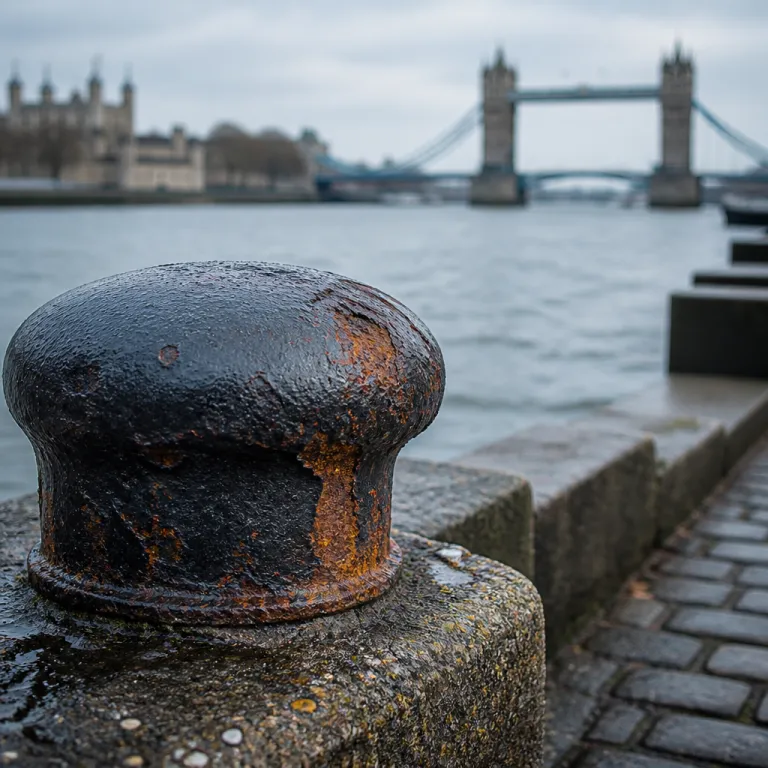
From Westminster, walk through St James’s Park towards Buckingham Palace, timing your trip so you arrive either before or after the main crowds for the Changing of the Guard. Continue into Central London for lunch, then head by Tube or on foot towards the Tower of London, where the fortress and Tower Bridge frame the river in one of the city’s most dramatic vistas. Many organised tours combine these highlights, but a self-guided route often feels more elegant because you can pause where the atmosphere suits you best.
On another day, focus on cultural things London by pairing the British Museum with Covent Garden and the surrounding streets. The museum’s free entry policy means you can visit for a focused two-hour session rather than trying to see everything in one exhausting trip. When you step back into the city, the short walk to Covent Garden offers cafés, street performances, and refined hotels where you can stay in London close to both culture and nightlife.
Food, afternoon tea, and refined breaks between sights
Elegant London travel depends as much on pauses as on sightseeing. Plan your day so that food becomes a highlight rather than an afterthought grabbed between tours and queues. In Central London, you can find everything from traditional pubs to Michelin-starred dining within a short walk of major museums and theatres.
Afternoon tea remains one of the most civilised ways to structure a day in London, especially if you have spent the morning at a museum or royal site. Many hotels near Hyde Park and Covent Garden offer classic afternoon tea with tiered stands, fine china, and a calm atmosphere that contrasts beautifully with the energy of the city outside. When you read any thoughtful travel guide, you will notice that these pauses are what turn a busy London trip into a genuinely restorative break.
For more casual meals, explore the food markets and side streets around Covent Garden, Soho, and the South Bank, where you can sample both British and international food. Several of these areas sit within easy reach of hotels that cater to visitors who want to stay in London without sacrificing comfort or style. Balancing refined meals, relaxed cafés, and the occasional quick snack will keep your London travel flexible while still feeling indulgent.
Balancing free experiences, museums, and green spaces
One of the London best surprises for many visitors is how many world-class attractions are free. Major institutions such as the British Museum, the National Gallery, and Tate Modern offer free entry to their permanent collections, which can significantly reduce the cost of a city break. Visitor information from these museums confirms that general admission to core collections is free, with charges applying mainly to special exhibitions.
Use this to your advantage when planning your London travel, alternating ticketed tours like the Tower of London with free museum visits to keep your budget balanced. A refined travel guide will often suggest limiting yourself to one major museum per day, allowing time to absorb what you see rather than rushing from gallery to gallery. After a morning indoors, step into Hyde Park or another royal park to reset before returning to your hotel for a brief rest.
Green spaces are essential when you stay in London for more than a quick weekend, especially if your trip to London includes children or older relatives. Hyde Park, St James’s Park, and Regent’s Park all sit close to Central London landmarks, making them easy to weave into your day. These parks, combined with free cultural sites and carefully chosen tours, create a rhythm that keeps your visit to London both stimulating and serene.
Key figures for planning your elegant london stay
- London welcomed around 16–19 million international tourists per year before the pandemic, according to the UK Office for National Statistics and VisitBritain data, which means booking hotels in Central London well in advance is wise during peak seasons.
- Public transport in the city carries roughly 4–5 million Underground passengers per weekday, based on Transport for London figures, so using an Oyster card or contactless payment helps you move efficiently through busy stations.
- The main visitor season stretches across the entire year, but spring and autumn typically see more comfortable temperatures than the height of summer or the coldest winter weeks.
FAQ about london travel and elegant hotel stays
What is the best area to stay in for first time visitors?
For a first elegant trip to London, Central London areas such as Covent Garden, Westminster, and the streets around Hyde Park offer the best balance of landmarks, restaurants, and transport. These districts keep you close to Big Ben, Buckingham Palace, and major museums while limiting long journeys across the city. You will also find a wide range of hotels at different price points within walking distance of key sights.
How many days do I need for a refined london city break?
Plan at least three full days in London to enjoy the main highlights without rushing. This allows one day for Westminster and the river, one for the British Museum and Covent Garden, and one for the Tower of London and a park such as Hyde Park. With four or five days, you can add more specialised tours or neighbourhoods while still keeping your London travel relaxed.
Is an Oyster card worth it for a short stay london?
An Oyster card or contactless bank card is almost always worthwhile, even for a short trip. Fares are cheaper than buying paper tickets, and daily caps mean you will not pay more than a set amount per day in London on most services. This makes it easier to budget for your London travel and encourages you to explore different parts of the city.
Are there enough free things london to do near central hotels?
Yes, there are many free attractions within easy reach of Central London hotels. You can visit London institutions such as the British Museum, the National Gallery, and several major parks without paying an entry fee. This mix of free culture and paid tours helps keep your overall London trip costs under control while still feeling indulgent.
How far in advance should I book hotels for an elegant stay?
For peak periods and popular events in London, England, aim to book your hotel at least two to three months ahead. This is especially important if you want specific views, such as rooms overlooking Hyde Park or the river near Westminster. Early booking also gives you more time to plan tours, afternoon tea reservations, and museum visits that match your preferred pace.