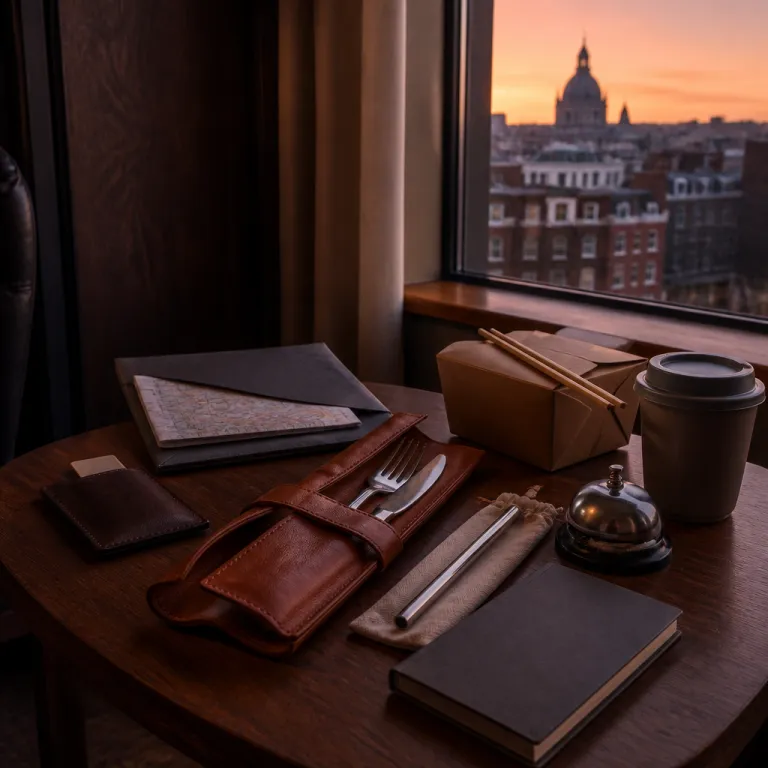
How to think about where to eat in London during your stay
When you plan where to eat in London, start with distance from your hotel and how long you are willing to travel. The city stretches across Greater London, so a good restaurant on a map may still be a long Tube or bus ride away at busy time. Focus on a mix of nearby places to eat and one or two destination restaurants that justify a special journey, ideally no more than 30 to 40 minutes from major hubs such as King’s Cross or Waterloo.
Many visitors ask where to eat for both quick lunch and slower dinner without wasting precious sightseeing hours. A practical approach is to map each London restaurant or bar against your daily plans, then reserve the spots that sit naturally between museums, theatres, and river walks. This way you can enjoy great food and wine while keeping transfers short and your schedule relaxed in a busy city, instead of zigzagging across town at rush hour.
Hotel guests often underestimate how strong the food scene is right on their doorstep. In central London, standout options cluster around areas such as Covent Garden, Soho, and Borough Market, where you will find everything from fish and chips to refined tasting menus. Decide early whether you prefer casual places to eat near your room or a more formal dining room experience that turns dinner into the highlight of the day, then share those preferences with your concierge.
Central London: Covent Garden, Soho and the West End
For theatre lovers wondering where to eat in London before a show, Covent Garden is the most convenient base. Here you will find NoMad Restaurant at the NoMad London hotel on Bow Street, a polished dining room that works equally well for business lunch and celebratory dinner. Its menu leans modern European with American touches, and the bar next door is a great place to order a pre curtain wine or cocktail if you are heading to a West End performance.
Just a short walk away, Soho concentrates some of the best casual restaurants in central London, ideal when you want to eat quickly but still eat well. This is where options range from ramen counters to tapas bars, and you can usually find a good place that accepts walk ins if you are flexible with time and happy to queue. For hotel guests, the area is perfect for spontaneous lunch or late dinner plans, especially when you do not want to commit to a long tasting menu or fixed pre theatre sitting.
In both districts, you will notice how many menus cater to pre theatre dining. Look for set menu offers that guarantee you will finish in time for the performance, while still enjoying great food and a glass of wine at a predictable price. When you book your hotel in this part of the city, you effectively place yourself between some of the best restaurants and the West End stages, which makes every evening feel effortless and keeps taxi rides short.
Borough Market and the South Bank: from street food to refined dining
If you are serious about food, plan at least half a day around Borough Market on the south side of central London. Camille, a modern bistro at 3 Stoney Street within the market, is often cited by local critics as one of the best restaurants for seasonal cooking, and it offers a relaxed dining room that suits both solo travellers and couples. Around it, dozens of stalls and nearby eateries serve everything from grilled cheese to oysters, giving you many places to eat without leaving the area or worrying about reservations.
During the day, this part of the city is ideal for grazing style lunch, especially if you like to order small plates and share. You can sample British classics such as fish and chips, then move to another restaurant or bar for dessert and wine, turning one meal into a progressive tour that feels like a mini food festival. In the evening, the riverside path towards the South Bank offers more places to dine where options include modern British, Asian fusion, and Mediterranean menus with river views.
Staying in a hotel near London Bridge or the South Bank means you will always have a good place for both quick bites and more formal dining. It is also convenient for guests arriving at odd time, because many venues keep long hours and serve food continuously from lunch through late dinner, often until 22.00 or later. When you think about where to eat across Greater London, this compact neighbourhood delivers a rare mix of market energy and polished restaurant experiences within a short walk of major sights.
Notting Hill and West London: elegant neighbourhood dining
Travellers drawn to pastel terraces and quieter streets often choose Notting Hill as their London base. Here the question of where to eat in London becomes more about charming neighbourhood restaurants than headline grabbing tasting menus, although you will still find some of the city’s most loved addresses. Tree lined streets hide small dining rooms with thoughtful wine lists, and many have cosy interiors that feel like an extension of your hotel lounge, especially on cooler evenings.
West London also places you within easy reach of Marylebone, where Cafe Murano Marylebone on Blandford Street serves Italian food by Angela Hartnett in a warm, understated setting. Its menu focuses on seasonal produce, handmade pasta, and a concise but great wine selection, making it a reliable choice for both lunch and unhurried dinner at a mid range price point. For hotel guests, this kind of restaurant is ideal when you want to order familiar dishes that are executed with precision rather than chase the latest trend or tasting counter.
In both Notting Hill and Marylebone, you will notice that locals and visitors share the same favourite places to eat. That is usually a sign of a good restaurant, especially in a city with more than eighteen thousand dining options across Greater London according to tourism data. If you value calm streets, independent shops, and the ability to walk from your room to dinner in under ten minutes, these neighbourhoods answer the where eat question with quiet confidence and everyday charm.
Mayfair, afternoon tea and refined hotel style experiences
Guests staying in luxury hotels around Mayfair often ask where to eat in London when they want something polished but not stiff. MAKO Mayfair, for example, offers high end Japanese dining with a menu that balances precise technique with a relaxed, contemporary room. It is the kind of restaurant where lunch or dinner can stretch over several courses, and the bar is strong enough to justify a visit even if you are not staying nearby or booking a full tasting menu.
This part of the city is also where afternoon tea becomes more than a snack, turning into a full dining ritual. Many hotels and standalone venues serve multi tiered trays of sandwiches, scones, and pastries, often paired with champagne or English sparkling wine. When you plan your day, treat afternoon tea as either a late lunch or early dinner, because you will rarely feel hungry again in time for a full evening meal and may only want a light snack later.
For travellers who enjoy structured experiences, Mayfair and neighbouring districts offer some of the best hotel dining rooms in London. You will find classic grills, modern European menus, and bars where the cocktails rival the food in ambition, all within a short walk of major sights and flagship shops. If you are staying elsewhere in Greater London, this area still deserves at least one dedicated evening, especially if you want to see how the city handles formal dining without losing warmth or a sense of fun.
Destination dining: Covent Garden experiences and planning tips
Some meals justify crossing the city, and Covent Garden hosts two that many hotel guests now plan trips around. Kebab Queen on Mercer Walk offers a seven to eight course meal that reimagines the humble kebab, served at a counter style dining room hidden beneath the more casual Maison Bab. Nearby, the NoMad Restaurant delivers a different kind of theatre, with a menu that feels luxurious without being fussy and a bar that stays lively late into the night for post show drinks.
When you build an itinerary around these destination restaurants, think carefully about transport time and pre or post dinner plans. It often makes sense to arrive early, enjoy a drink in a nearby bar, then walk to the restaurant so you are not rushed, especially if you have theatre tickets or a timed attraction. Afterward, you can either stroll back through the West End or take a short ride to your hotel, depending on where in Greater London you are staying and how late the Tube or buses are running.
For guests who follow Eater London coverage or writers such as Adam Coghlan, these venues often sit high on personal lists of where to eat in London. They also illustrate how the city treats food as entertainment, blending design, music, and service into one coherent experience that feels like a night out rather than just a meal. If you secure reservations well in advance, these dinners will likely become the meals you remember long after check out, even in a city with so many competing options.
Classic British comfort: fish and chips, pubs and casual bites
No guide to where to eat in London for hotel guests would be complete without mentioning fish and chips. Across the city you will find both traditional chippies and modern spots that elevate the dish with better potatoes, sustainable fish, and thoughtful wine or beer pairings. Ask your concierge or check recent Eater London style round ups for a short list of trusted options near your specific postcode, then compare opening hours so you avoid long queues.
Pubs remain central to everyday dining, especially when you want a relaxed lunch or early dinner without reservations. Many now offer menus that go far beyond basic bar snacks, serving good food such as pies, roasts, and vegetarian specials in comfortable dining rooms. If you are staying in Greater London rather than the very centre, your local pub may well be the best restaurant within walking distance for a casual evening, particularly on Sunday when roasts are popular.
For quick places to eat between meetings or sightseeing, look for markets, food halls, and railway station concourses that host multiple vendors. These spots allow you to order from different counters, which is useful when travelling with companions who have varied tastes or dietary needs. Whether you choose a simple bar stool or a shared table, you will still feel part of the city’s rhythm while keeping your schedule flexible and your travel time predictable.
Key figures on where to eat in London
- London counts around 18,000 restaurants across Greater London, which means hotel guests can find a restaurant or bar for almost any budget or cuisine within a reasonable travel time (source: Visit London, tourism statistics summary, accessed 2024).
- The city hosts about 71 Michelin starred restaurants as of the 2024 guide, placing London among the best dining capitals globally and giving visitors a wide choice of special occasion dinner options (source: Michelin Guide 2024 and Falstaff overview).
- Borough Market is one of the oldest food markets in the city, and its concentration of high quality stalls and nearby restaurants makes it a strategic place to eat for travellers who want to sample multiple cuisines in a single visit (source: Visit London, Borough Market profile, updated 2023).
FAQ: practical questions about where to eat in London
What is the best restaurant in London for first time visitors ?
For many travellers, Camille in Borough Market is an excellent starting point because it combines seasonal British produce with a relaxed bistro atmosphere. Recent London restaurant guides note that “Camille in Borough Market is highly rated for modern British cooking.” You can explore the market before or after your meal, which makes it easy to fit into a sightseeing day that already includes London Bridge or the South Bank.
Do I need reservations for popular London restaurants ?
For the most sought after venues, especially in Covent Garden, Soho, Mayfair, and Notting Hill, reservations are strongly recommended. Many restaurants open their books one to two months ahead, and prime time dinner slots go first, particularly on Thursday to Saturday. Casual pubs and some market stalls accept walk ins, but planning ahead gives you better control over where to eat in London and helps you avoid long waits.
Is there usually a dress code for dining in the city ?
Dress codes vary by restaurant, with most casual places to eat and pubs accepting smart casual clothing without issue. High end dining rooms in Mayfair or hotel settings may request jackets for men or discourage sportswear, especially in the evening. When in doubt, check the restaurant website or call ahead so you feel comfortable at both lunch and dinner and do not need to return to your hotel to change.
Which areas are best for hotel guests who love food ?
Central districts such as Covent Garden, Soho, and the South Bank suit travellers who want many restaurants within a short walk. Notting Hill and Marylebone offer calmer streets but still provide great food, wine, and bar options, especially for longer stays when you value routine. If you are based in Greater London suburbs, plan at least a few evenings in these central neighbourhoods to experience the full range of where to eat in London and compare different styles of dining.
How can I fit afternoon tea into my meal planning ?
Afternoon tea in London is substantial enough to replace either lunch or an early dinner, particularly in Mayfair hotels and classic tearooms. Book a time between 15.00 and 17.00, then keep the rest of your day lighter with only a small snack later. This approach lets you enjoy the tradition without feeling that you have over committed to too many large meals in one day or wasted time travelling back and forth.
Sources
Visit London (tourism statistics and Borough Market profile, accessed 2024) ; Time Out London (neighbourhood dining coverage, 2023–2024) ; Michelin Guide 2024 (London restaurant listings) ; Falstaff (London Michelin summary, 2024)