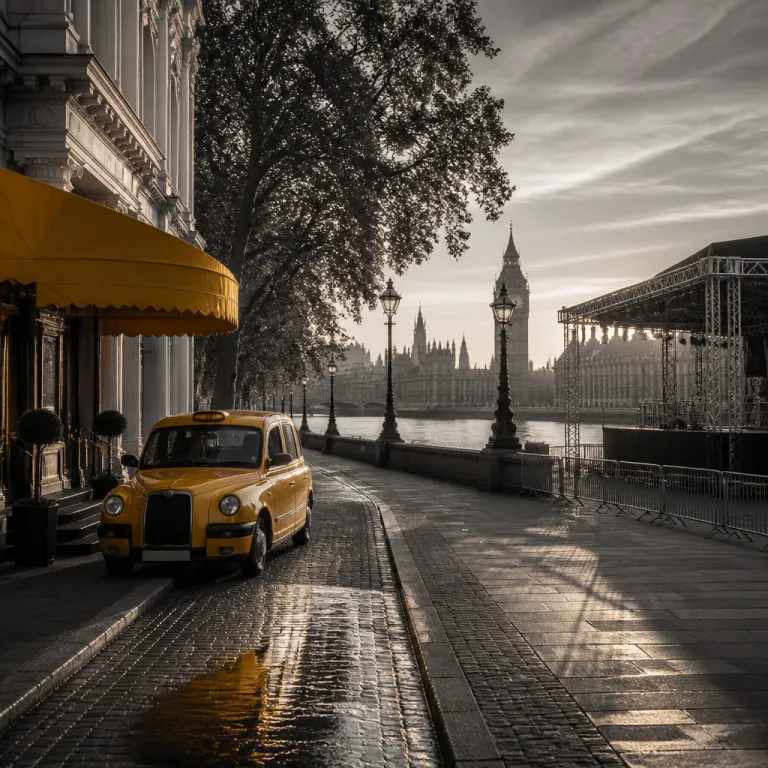
How the seasons shape the best time to visit London
The best time to visit London depends on how you balance weather, crowds, and hotel rates. For many travelers, the most appealing months are from May to September, when parks are green, days are longer, and the average temperature is comfortable for walking the city. If you plan a trip to combine a visit to London city with a rail escape to Scotland, this same time of year usually offers the smoothest travel experience across both destinations.
London has a temperate maritime climate, which means the weather is rarely extreme but often changeable within hours or even days. Long-term climate data from the UK Met Office shows that the typical daytime high in July is around 23 °C, while in January it is closer to 7 °C, so packing layers is essential whatever time you visit. When you choose your time to visit, remember that rainfall is spread fairly evenly across months, with average monthly totals of roughly 40–60 millimetres rather than a single monsoon season, so a light waterproof jacket is more useful than an umbrella alone.
From a hotel perspective, the high season in London runs roughly from late June through August, when families travel during school holidays and major events fill the calendar. This is not always the best time for value, but it can be the best time to visit London if you want lively streets, late opening hours, and a full programme of festivals. Travelers who prefer quieter lobbies and more attentive service often find that the shoulder season in spring and early autumn offers a better balance between price, comfort, and atmosphere, with nightly rates that can sit 10–25% below peak summer averages in comparable properties.
Spring and early summer: the refined shoulder season for hotel guests
For many seasoned travelers, the true best time to visit London is the shoulder season from April to early June. During these months, the average temperature usually ranges from the low teens to the high teens in Celsius, which is ideal for long days of sightseeing without overheating on the Underground. Parks such as Hyde Park and Regent’s Park are in bloom, and neighbourhoods like Notting Hill and Greenwich feel especially photogenic, giving your trip to London a softer, more local feel than during the intense high season of late June to August.
By May and June, daylight stretches well into the evening, so you can visit London landmarks after work hours if you arrive on a business trip and then extend your stay. This extra time is perfect for a gentle bus tour or a hop on hop off bus circuit, allowing you to orient yourself in London city before committing to longer walks. Many hotels structure their pricing so that midweek stays in this season in London are more attractive than weekends, which can help you secure a better room category for the same budget, especially if you book four to eight weeks in advance.
Spring also offers some of the best months for combining classic attractions with quieter cultural experiences. You might spend your first days exploring Buckingham Palace, the Tower of London, and the London Eye, then use later days for galleries, neighbourhood walks, and riverside dining along the South Bank. When planning your visit, remember that public holidays such as the early May and late May bank holidays can briefly mimic high season conditions, so apply careful travel tips such as booking flexible rates, checking event calendars before you confirm your room, and allowing extra time for airport transfers.
High summer from late June to August: vibrant but crowded stays
From late June through August, London moves into full high season, and the city feels energetic from morning until late evening. This can be the best time to visit London if you enjoy busy pavements, outdoor events, and a full theatre schedule, but it is rarely the best time for quiet hotel corridors or swift restaurant reservations. Families on a trip to London often choose this period because school holidays align with the warmest weather and the longest days.
Expect the average temperature in July and August to sit in the low to mid twenties Celsius on many days, with occasional hotter spells that make air conditioning a valuable hotel amenity. Because this is the peak time of year, you should reserve your room well in advance, especially if you want to stay near icons such as Buckingham Palace, the Tower of London, or the London Eye. VisitBritain and other tourism authorities summarise the pattern clearly in their guidance on travel planning; “May to September offers the best weather and events,” which is reflected in demand for Wimbledon fortnight, summer concerts in Hyde Park, and the August Notting Hill Carnival.
During June to August, many visitors rely on a hop on hop off bus tour to cover more ground without exhausting themselves in the heat. These bus tour options are particularly useful if your trip includes older relatives or young children, because they reduce walking time between attractions spread across London city. To make the most of this high season, apply practical travel tips such as booking timed tickets, planning indoor visits for the hottest hours, choosing hotels with flexible breakfast times to avoid morning queues, and securing popular restaurants at least a week ahead.
Autumn and winter: atmospheric stays, christmas magic, and sharper value
Once September arrives, the character of London shifts, and many hoteliers quietly agree that this is a refined best time to visit London for adults. The weather usually remains mild, with an average temperature that is still comfortable for walking, yet the crowds thin as families return home and business travel resumes. For guests, this means shorter queues at major sights, more attentive service, and often more attractive nightly rates than in the height of summer.
September and October form another shoulder season in London, when you can visit London attractions such as the Tower of London or the London Eye with less waiting time. Cultural calendars are rich during these months, so you can design a visit that blends theatre, exhibitions, and riverside walks without the intensity of June to August. If you are planning a combined trip to London and Scotland, autumn can be an elegant time of year to enjoy both cities with softer light, colourful parks, and calmer trains, especially if you reserve long-distance rail tickets several weeks ahead.
Winter brings a different appeal, especially from late November through christmas and into early January, when lights and markets transform central streets. Areas such as Oxford Street, Regent Street, and Covent Garden are known for elaborate decorations, while ice rinks and seasonal pop ups add to the atmosphere. While the average temperature in winter hovers around single digits, the city feels cosy, and hotels often create special packages that include festive afternoon tea or views of seasonal displays. For many guests, this winter period is the best time for a romantic trip, provided they pack layers for changeable weather and use travel tips such as booking attractions earlier in the day when energy levels are higher and daylight is limited.
Aligning your hotel choice with your itinerary in London city
Choosing the best time to visit London is only half the equation; the other half is aligning your hotel with your planned itinerary. If your priority is to visit London icons such as Buckingham Palace, the Tower of London, and the London Eye, staying in central districts like Westminster, the City, or South Bank will minimise daily travel time. These locations are especially valuable during high season, when saving even a few minutes on each journey can free up extra hours across several days.
Guests planning a cultural trip to London with theatre, dining, and galleries may prefer areas such as Covent Garden, Soho, or Marylebone, where you can walk to many evening venues. In shoulder season months like May, June, September, and October, these neighbourhoods feel lively but not overwhelming, which makes them some of the best months for a balanced stay. When you book, check whether your hotel offers concierge support for arranging a bus tour, restaurant reservations, or timed tickets, as these services can transform a good visit into an exceptional one and help you avoid last-minute stress.
Travellers who intend to combine London with Scotland or other parts of the United Kingdom should consider hotels near major rail hubs such as King’s Cross St Pancras or Euston. This strategy reduces time spent crossing the city with luggage and allows a smoother transition between each part of your trip. It also reflects a broader travel mindset, where you treat your journey as a sequence of well planned stages rather than a single, rushed weekend, and match each hotel choice to the next leg of your itinerary.
Practical travel tips for timing and booking your London stay
When you decide on the best time to visit London, start by clarifying your priorities between price, comfort, and specific events. If you value lower rates and calmer streets, focus on the shoulder season months, then use hotel comparison tools to track how average prices shift across different days of the week. For guests who want the full summer buzz, accept that late June to August will cost more, and secure cancellable rates early to protect your budget.
Weather should guide your packing more than your calendar, because London’s average temperature is moderate but conditions can change quickly. Build a flexible wardrobe with layers, a compact waterproof, and comfortable shoes, then use real time forecasts to fine tune your daily plans during the trip. This approach allows you to switch a planned bus tour or hop on hop off bus circuit to a different day if rain appears, while still keeping your key reservations for restaurants and theatre and avoiding unnecessary last-minute changes.
Finally, treat your visit as an investment in experience rather than a checklist of sights. Aim to balance headline attractions such as Buckingham Palace, the Tower of London, and the London Eye with quieter neighbourhood walks and unhurried café stops. By matching your chosen time of year with thoughtful travel tips and realistic daily schedules, you turn a simple trip to London into a stay that feels both efficient and deeply memorable, whether you travel in the height of summer or the calm of winter.
Key figures on timing your London hotel stay
- Typical July daytime highs in London reach around 23 °C according to the UK Met Office, which makes it warm enough for outdoor dining but hot on crowded Underground trains.
- Average January daytime temperatures are close to 7 °C based on Met Office climate normals, so winter stays feel cool rather than freezing, especially if you plan mostly indoor activities.
- Average monthly rainfall is usually between 40 and 60 millimetres in central London, which confirms that light showers are spread across the year rather than concentrated in a single wet season.
- VisitBritain guidance for travel planning indicates that May to September generally offers the best combination of weather and events, which aligns with the busiest hotel booking patterns.
FAQ: planning the best time to visit London for your hotel stay
What is the best month to visit London for comfortable weather and hotels?
For most visitors, May, June, and September offer the best balance of mild weather, manageable crowds, and hotel availability. These months sit in the shoulder season, so you often find better value than in the peak of late June to August. They are also ideal if you want to walk between central sights without dealing with intense heat.
Is London very crowded in July and August?
Yes, July and August are the core of the high season, with families, language schools, and major events all converging on the city. Expect longer queues at attractions, busier public transport, and higher average room rates, especially near key landmarks. If you choose this period, book your hotel and main tickets several weeks in advance.
Are there interesting events in September that justify a trip?
September in London usually features a rich cultural calendar, including exhibitions, design festivals, and open house events at notable buildings. Crowds are lighter than in midsummer, so you can enjoy these activities without the same pressure on time and space. Many travellers consider September one of the best months for combining culture with relaxed hotel stays.
How far in advance should I book a hotel for christmas in London?
For stays over christmas and New Year, it is wise to secure your hotel at least three to four months ahead, especially in central districts. Festive markets, lights, and shopping attract both international visitors and domestic travellers, which tightens availability. Early booking also gives you more choice of room types with views of seasonal decorations.
Should I avoid winter entirely because of the weather?
There is no need to avoid winter, because London’s average temperature in the coldest months is around mid single digits °C, which is manageable with good clothing. Winter offers lower prices at many hotels and a cosy atmosphere in restaurants, pubs, and theatres. If you focus on indoor attractions and plan shorter outdoor walks, winter can be a rewarding and good value time to visit.
Sources
UK Met Office; VisitBritain; Tripbase.