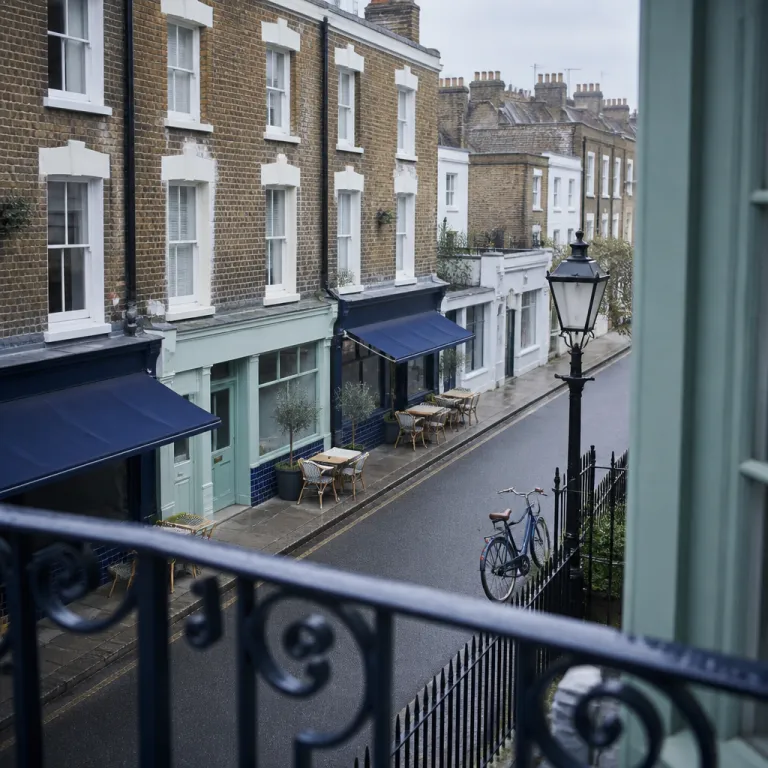
How to think about where to eat in London during your stay
When you plan where to eat in London, start with your hotel location and daily itinerary. In a city this large, the time you save by choosing a nearby London restaurant can mean an extra museum visit or a slower glass of wine before dinner. With more than 18,000 restaurants in Greater London, the question is not where to eat, but how to curate the best London options for your trip.
Guests often ask for one single “best” recommendation, yet the reality is that the best restaurants for you will depend on whether you want a quick lunch, a long dinner, or a relaxed afternoon tea between meetings. Think in layers: plan one special dining room experience, one relaxed place to eat near your hotel, and one classic London food moment such as fish and chips or a market visit. This approach turns the vast choice of restaurants London offers into a focused, personal list of places to eat that genuinely fit your stay.
Hotel concierges know exactly where to eat in London for different budgets, so use their expertise early. Ask them which London restaurants are walkable, which bar has a good wine list, and where you should order lunch if you arrive before your room is ready. Their advice will help you avoid long queues, steer you towards a good restaurant rather than a tourist trap, and make every meal feel like part of the journey rather than a rushed necessity; one concierge near Trafalgar Square, for example, keeps a handwritten list of three trusted spots within a ten-minute walk for jet-lagged arrivals.
Market energy and modern dining around Borough Market
If you want to feel the city wake up, plan breakfast or early lunch at Borough Market before the crowds arrive and you will understand why many locals consider it one of the best places to eat in London. Stalls here showcase British and international food, from fresh oysters and grilled cheese to excellent coffee and pastries, and the atmosphere makes even a simple order feel like an event. For travellers staying in central London or along the Thames, this market area beside London Bridge Underground station (Jubilee and Northern lines) is an easy answer when you wonder where to eat at almost any time of day.
Among the permanent restaurants London has woven into the market’s streets, Camille on Stoney Street (3 Stoney Street, SE1 9AA; typically open Tuesday to Saturday for lunch and dinner) stands out as a modern bistro that many guides now rank among the best restaurants in the city. Its menu changes with the seasons, but you can expect thoughtful cooking, a compact yet interesting wine list, and a dining room that feels intimate without being formal; typical mains sit in the £20–£35 range, and prime weekend slots often need booking a week or two ahead via the restaurant’s online reservation system. When you plan lunch–dinner combinations around sightseeing, Camille works beautifully for a relaxed lunch after a morning at nearby attractions or for an early dinner before a theatre performance across the river.
Outside the sit-down restaurants, Borough Market is also perfect when you simply want good food fast and need a place to eat that does not require reservations. You can graze from stall to stall, share plates, and still feel you have experienced a snapshot of the city’s culinary scene, especially if you arrive between 10:00 and 12:00 when queues are shorter. For hotel guests who land in London in January or any other month and feel jet lagged, this is where to eat in London when you crave flavour, flexibility, and the freedom to choose exactly what and how much you eat; many travellers remember their first hot doughnut or grilled cheese here as clearly as any museum.
Elegant Italian and Japanese dining near the West End
Many visitors stay near the West End theatres, so understanding where to eat in London around Mayfair, Marylebone, and Piccadilly will transform your evenings. This part of the city offers some of the best restaurants for pre-show dinner, late-night dining, and refined lunches between shopping and gallery visits. You will find everything from classic Italian food to high-end Japanese menus, often within a ten-minute walk of major hotels and close to tube stops such as Bond Street, Green Park, and Piccadilly Circus.
In Marylebone, Café Murano Marylebone on Paddington Street (60–62 Paddington Street, W1U 4JD; usually open daily for lunch and dinner) delivers polished Italian cooking with a menu that balances comfort and finesse, making it a reliable London restaurant choice for both lunch and dinner. Guests can expect handmade pasta, seasonal ingredients, and a wine list that rewards those who like to linger in the dining room after a matinee performance; most pastas fall in the £18–£25 range, and evening tables at weekends usually benefit from reserving several days ahead using the restaurant’s booking page. For travellers comparing restaurants London wide, this is a good place where you can book with confidence, knowing the service, food, and atmosphere will align with a relaxed yet elegant stay.
Nearby in Mayfair, MAKO Mayfair (10–11 Lancashire Court, W1S 1EY; typically open Tuesday to Saturday evenings) offers high-end Japanese dining that suits special occasions, business dinners, or a final night in the city when you want to eat London at its most polished. The bar here is ideal for a pre-theatre drink, and the precise, contemporary menu shows why this area remains synonymous with top-tier fine dining, with tasting menus that can easily exceed £100 per person. If you are planning where to eat before or after a show, pairing Café Murano Marylebone, MAKO Mayfair, and Cicchetti Piccadilly near The Ritz (215 Piccadilly, W1J 9HL; close to Piccadilly Circus Underground) gives you three distinct but equally strong options; one frequent visitor describes rotating between them on different nights so every curtain call leads to a different style of meal.
Covent Garden, Notting Hill and classic London neighbourhood flavour
Travellers often ask where to eat in London that feels local yet still convenient for major sights, and two names always surface quickly: Covent Garden and Notting Hill. Both neighbourhoods combine handsome streets, strong restaurant choices, and easy transport links across Greater London, which matters when you are coordinating check-in times and theatre tickets. Each area offers a different mood, so your hotel location and personal style will guide which becomes your regular place to eat.
Covent Garden is dense with London restaurants, from casual spots for fish and chips to refined dining rooms that suit celebrations, and it works especially well if you want lunch–dinner flexibility around the Royal Opera House or West End shows. Twenty Eight London at NoMad (28 Bow Street, WC2E 7AW; generally open daily from late morning until late evening) brings a New York–inspired sensibility to its menu and bar, making it a great restaurant for guests who enjoy polished service without stiffness; mains often sit in the £25–£40 bracket, and popular Friday and Saturday slots can disappear a week in advance through the hotel’s reservation system. When you stay nearby, you will quickly learn that this is where to eat in London if you like to step out of your hotel and find a good restaurant within minutes, as one guest discovered when a five-minute stroll from their room turned into a spontaneous late supper at the bar.
Notting Hill, by contrast, feels more residential, with pastel terraces, independent shops, and a slower rhythm that many hotel guests appreciate after a busy day in the city. Here you will find both casual places to eat for brunch and more ambitious London restaurant addresses that attract the Eater London crowd, especially at weekends, with Portobello Road and Westbourne Grove acting as natural spines. If you follow writers such as Adam Coghlan, whose work on Eater London often highlights this area, you will notice how frequently Notting Hill appears in lists of standout neighbourhood restaurants; one regular visitor recalls a rainy Sunday when a simple roast chicken in a side-street bistro became the most memorable meal of the trip.
Afternoon tea, fish and chips and other essential London rituals
Any guide to where to eat in London for first-time visitors must include the city’s food rituals, because they shape how you remember your stay. Afternoon tea, for example, is not just about cakes and sandwiches: it is a slow, elegant pause in the middle of the day that works beautifully between shopping and a late dinner. Many hotels in Greater London offer their own afternoon tea in a dedicated dining room, typically between 13:00 and 17:00, so you can enjoy this tradition without leaving the building.
Fish and chips is the other non-negotiable experience, and you will find versions ranging from simple takeaways to refined plates in some of the best restaurants across the city. Ask your concierge which London restaurants nearby serve a particularly good rendition, then plan a relaxed lunch or early dinner so you can enjoy it fresh from the fryer; expect to pay roughly £12–£25 depending on setting. For guests staying near the river or in boroughs beyond central Greater London, local pubs often provide a great place where you can eat this classic dish among residents rather than tourists, and many travellers remember the warmth of a busy pub on a cold evening as clearly as the food itself.
Between these two rituals, you will probably still wonder where to eat for quick, satisfying meals that fit around check-in times, meetings, or sightseeing. Many hotels now partner with nearby restaurants London wide, allowing you to charge meals to your room or secure priority reservations at a good bar or bistro. Use this to your advantage: it turns the question of where to eat in London into a curated set of options that feel both convenient and authentically tied to the city, especially when staff share their own favourite noodle bar, curry house, or café within a short walk.
Practical tips for reservations, timing and navigating London’s dining scene
Once you have a sense of where to eat in London, the next step is managing reservations, timing, and transport so every meal feels effortless. Popular London restaurants, especially those ranked among the best restaurants in the city, often book out days or weeks ahead, so secure key dinners before you even land. This is particularly true for Friday and Saturday nights, when locals and visitors compete for the same dining room tables, and high-demand tasting menus can require planning several weeks in advance.
Think carefully about time: plan lunch near the attractions you are visiting and dinner close to your hotel, which reduces travel across Greater London when you are tired. Many places to eat in central districts offer set lunch menus that provide excellent value, while the same restaurant may feel more formal and expensive at dinner, with longer tasting options and higher prices. If you are arriving in London during colder months, early reservations can be especially appealing, as you will appreciate stepping from the winter streets straight into a warm bar or restaurant rather than navigating late-night transport.
Transport also shapes where to eat in London, because late-night journeys across the city can be slow, so check how you will return to your hotel after dinner. When reading guides by writers such as Adam Coghlan on Eater London, pay attention not only to the food but also to how they describe the area, as this helps you understand whether a London restaurant suits your style and schedule; note which tube lines or bus routes they mention. Remember that Greater London is vast: focusing on one or two neighbourhoods per day will make every lunch, dinner, and glass of wine feel like part of a coherent, enjoyable route rather than a logistical puzzle, and many seasoned visitors now plan their days around clusters of restaurants instead of individual sights.
Key figures on London dining to help frame your choices
- London hosts an estimated 18,000 restaurants across Greater London, according to London.gov.uk, which means the city offers more places to eat than many entire countries.
- Central districts such as Covent Garden, Soho, and Mayfair concentrate a particularly high number of restaurants London wide, so staying nearby can significantly reduce travel time between your hotel and dinner reservations.
- Borough Market is one of the city’s oldest and busiest food markets, and its mix of stalls and permanent restaurants makes it a strategic answer when you are unsure where to eat in London on your first day.
- Afternoon tea services in major London hotels typically last between 90 and 120 minutes, so planning them as a late lunch can remove the need for a separate meal and simplify your dining schedule.
FAQ: planning where to eat in London from your hotel
What is the best restaurant in London for visitors staying centrally ?
Guides frequently highlight Camille in Borough Market as one of the best restaurants in London for its seasonal menu and intimate dining room, especially convenient if you are staying near the Thames or London Bridge. Its location makes it easy to combine with sightseeing, and the food appeals to both serious diners and relaxed travellers. For many hotel guests, this balance of quality and accessibility makes it a standout choice.
Are reservations required for popular London restaurants ?
Are reservations required? Yes, especially for popular spots. In central areas such as Covent Garden, Notting Hill, and Mayfair, the London restaurants that appear in major guides often fill all dinner slots several days in advance. Booking ahead ensures you can eat where you truly want rather than settling for whatever place still has a table.
Is there usually a dress code in London dining rooms ?
Is there a dress code? Varies; check with the restaurant. Many casual restaurants London wide accept smart-casual clothing, while some high-end dining rooms in Greater London expect jackets or more formal attire in the evening. When in doubt, ask your hotel concierge to confirm the expectations before you order a car or walk over.
How can I choose where to eat in London if I have limited time ?
Start by mapping your hotel, key attractions, and theatre tickets, then look for a good restaurant within a ten- to fifteen-minute walk of each stop. Focus on one special dinner, one relaxed lunch, and one classic food experience such as fish and chips or afternoon tea. This structure keeps decisions simple while still letting you experience some of the best London flavours across the city.
Are markets like Borough Market suitable for both lunch and dinner ?
Borough Market works particularly well for breakfast and lunch, when most stalls and restaurants are open and the atmosphere is lively. Some surrounding restaurants London has built around the market also serve dinner, giving you flexibility if you prefer a seated meal. For hotel guests, this area is a reliable answer to the question of where to eat in London at almost any time of day.