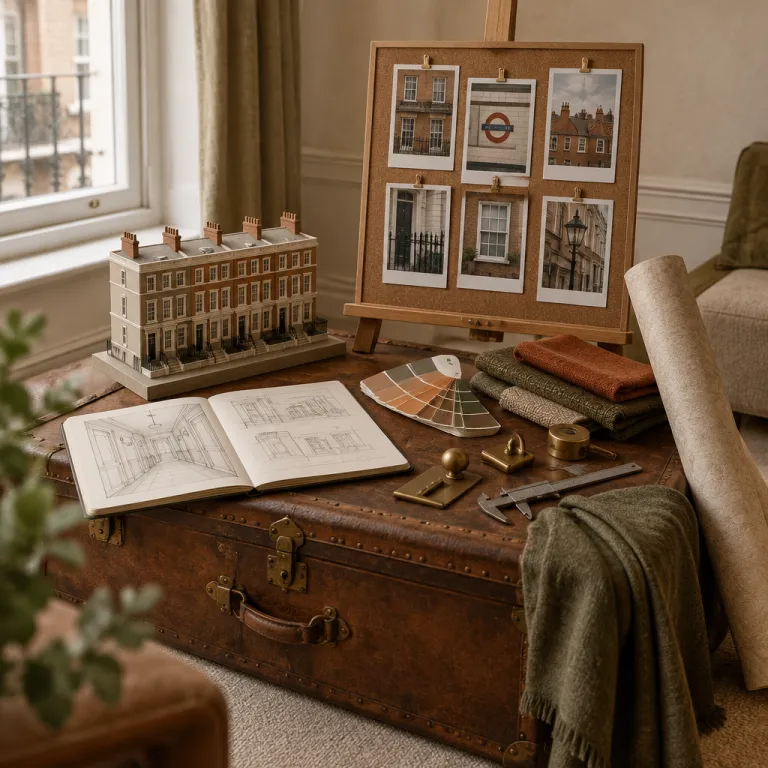
From “I want to be British Tumblr” to a London stay shaped by identity
The phrase “I want to be British Tumblr” captures a specific online longing for London’s streets, accents and interiors. Many people arrive in the city carrying years of saved images, reblogs and personal notes that shaped their expectations of British life. When you choose a hotel, the question becomes how closely the inside reality can match that carefully curated British Tumblr dream.
Scroll back through a post you saved years ago and you will probably see a collage of red buses, black cabs and rainy pavements outside Georgian terraces. That aesthetic did not appear overnight; it grew from countless British Tumblr posts, fan edits and source notes attached to gifs from films and series. A thoughtful hotel can translate that visual scene into real textures, from worn leather chairs to shelves of well-thumbed books you can actually read, so the role of the building feels less like a backdrop and more like a character in your trip.
For some guests, the emotional pull started years ago with a single British character on screen or a line from a novel. Others trace it to the first time they read Harry Potter and imagined stepping through a brick wall into a hidden platform. One traveller described arriving at St Pancras after following a Tumblr tag for a decade and feeling as if they had walked inside a familiar frame. When a London hotel understands that role of imagination, it designs spaces where people feel their online and offline selves finally meet.
London themed art and photography in hotel interiors
London hotels that take design seriously now curate art with the same care as a gallery. Instead of generic prints, you will often find photography that captures the city’s layered scene from dawn markets to late-night theatres. For guests who arrive saying they discovered London through British Tumblr, these images act as a bridge between the screen and the street outside, turning a simple corridor into a visual essay on Britain and British identity.
Look for corridors lined with black-and-white photographs of Soho, Camden or the South Bank, each with clear source notes about the photographer and location. Over time, these curated collections become a visual archive of how British identity shifts, from punk doorways to Pride parades and quiet canal paths. When you share your stay on a visual platform such as Tumblr, those details give every post a sense of place rather than a generic backdrop, and your followers can trace the scene back to a real corner of the city.
Some properties commission artists to respond directly to London’s literary and film heritage, including subtle nods to Harry Potter without turning rooms into theme parks. A mural might show a character waiting on a foggy platform, while another piece hints at director Joe Wright’s cinematic London with rain-streaked windows and reflective puddles. Other works may reference the way dir Joe Wright frames brick, glass and water in his films, echoing that mood inside lounges and stairwells. If you care about Instagrammable design, guides to choosing the right hotel for photos can help you match your visual taste with a property’s art direction.
Queer, Black and alternative narratives inside London hotel art
Many travellers who grew up on British Tumblr spaces are looking for more than postcard clichés. They want hotels where the art on the walls reflects queer, Black and alternative stories that shaped the city’s culture. When curators take that responsibility seriously, the result feels less like decoration and more like a living, inclusive scene that acknowledges how people who were once pushed to the margins now stand at the centre of British cultural life.
You might notice framed portraits of Black Londoners in Brixton, or documentary-style shots from gay clubs in Vauxhall and Dalston. These images acknowledge that the role of LGBTQ+ people and communities of colour in British culture is central, not a side note. For guests who came out years ago while scrolling Tumblr late at night, seeing that history honoured inside their hotel can feel quietly affirming, especially when a caption names the club, the year and the people in the frame.
Some hotels collaborate with local organisations to ensure the work is not just aesthetic but grounded in real experience and reliable source material. Exhibition labels may include short personal notes from artists about the time and place each piece was created, turning corridors into spaces where you pause to read rather than simply pass through. When you later write your own post about the stay, those stories help you move beyond “nice room” and into a richer, more thoughtful reflection that recognises how Black, queer and alternative communities shaped the city you see outside.
From fandom to façade: Harry Potter, film London and cinematic stays
For many international guests, the path from an early British Tumblr obsession to a London booking runs straight through fandom. Years ago, they read Harry Potter, watched the films and then followed gif sets on Tumblr that turned every brick archway into a portal. London hotels have learned to respond to that desire without reducing the city to a film set, so the fantasy sits alongside everyday Britain and British daily life.
Some properties sit near real filming locations used by director Joe Wright and other directors, and they weave subtle cinematic references into their interiors. A staircase might echo the curve of a famous scene, while a reading room uses lighting that recalls a particular shot of rain on glass. One guest described standing on a small balcony at night and feeling as if they had stepped inside a still from a dir Joe Wright film, even though the only props were a chair, a book and the sound of buses below. When you step inside after a long day, the atmosphere feels familiar in a way that is hard to source from photographs alone.
Rather than plastering walls with stills, the most sophisticated hotels use books, props and textures to evoke a world you first met on screen. Shelves may hold well-chosen fantasy and crime novels alongside essays on British cinema, inviting you to read rather than simply pose. Over time, your own memories of the stay become part of that narrative, layered over the images you once reblogged years ago without ever imagining you would stand in the real city.
How to choose a London hotel that matches your online aesthetic
Translating an “I want to be British Tumblr” mood board into a real booking starts with clarity about what you love. Open your saved posts and make quick notes about recurring colours, neighbourhoods and interior details that catch your eye. You might notice a pull towards black iron railings in Kensington, neon-soaked streets in Soho or misty riverside paths in Richmond, or remember a single post from years ago that fixed your idea of the perfect London scene.
Once you understand your personal aesthetic, read hotel descriptions with the same care you give to a long Tumblr caption. Look for references to local art, photography and books in public spaces, and pay attention to how many images show real London outside the window. Midway through planning, it can help to consult guides on planning a stay around Covent Garden Market at Christmas if your dream scene involves lights, markets and seasonal streets.
Guest reviews are another valuable source, especially when they mention how a place feels over time rather than just on arrival. Notice when people talk about the role of staff in sharing neighbourhood tips, or when they highlight quiet corners for reading and reflection. Those comments often reveal more about the inside atmosphere than any official post or marketing photograph, and can answer the question of whether a property truly matches the mood of your British Tumblr feed.
Capturing and sharing your stay: from hotel room to Tumblr feed
Once you arrive, the hotel becomes both a base and a backdrop for your own creative work. Many guests still use Tumblr as a visual journal, layering new images of British life over the ones they saved years ago. A London stay offers the chance to turn that long-held “I want to be British Tumblr” feeling into a set of lived experiences, where your own face and friends appear inside the frame.
Start by taking a little time to walk through the property with a photographer’s eye, noting where light falls on staircases, bookshelves and framed art. Jot down quick source notes on your phone about artists’ names, locations and any personal stories staff share about the pieces. When you later write a post, those details help your followers read the images as part of a thoughtful narrative rather than a stream of disconnected snapshots, and your caption can guide people towards the books, scenes and corners that meant the most to you.
As you move between the hotel and the city, pay attention to how your sense of self shifts in each scene. You might feel one character version of yourself in a quiet library lounge, and another while crossing a busy bridge at night. Over years, these layered memories will sit alongside the online images that first drew you here, blurring the line between the digital role you once played and the person you have become, and turning your Tumblr archive into a record of how your relationship with Britain and British culture has changed over time.
Key figures about London hotels, culture and design
- VisitBritain reports that London welcomes more than 20 million international visitors in a typical pre-pandemic year, making it one of the most visited cities worldwide for culture-focused travel (VisitBritain, 2019; see the organisation’s official tourism statistics pages for detailed tables and methodology).
- According to the Greater London Authority, over 40% of London residents identify as belonging to Black, Asian or minority ethnic backgrounds, which strongly influences the diversity of art and photography you see in hotels (GLA, 2021; figures drawn from the authority’s published population and ethnicity data for the capital).
- Data from London & Partners indicates that cultural tourists spend around 20% more per trip than average visitors, supporting hotels that invest in curated art, books and design-led public spaces (London & Partners, 2018; cultural tourism insight reports summarise this spending gap).
- Surveys by the UK’s Office for National Statistics show that around half of international visitors to London cite museums, galleries and heritage sites as a primary motivation, aligning closely with demand for hotels that foreground local culture inside their walls (ONS, 2019; see the International Passenger Survey releases for the underlying data).
FAQ about London hotels and London themed art
How can I find London hotels with strong local art and photography?
Search for hotels that mention collaborations with local artists, rotating exhibitions or named photographers in their descriptions. Images on official websites should show specific artworks rather than generic stock photos. Reviews that highlight corridors, lounges and libraries often signal a serious approach to curation, especially when guests mention reading source notes or personal statements beside the pieces.
Which London neighbourhoods suit a “cinematic” or Tumblr-inspired stay?
Areas such as Soho, Covent Garden and the South Bank offer dense streetscapes, theatres and neon that suit a cinematic aesthetic. Notting Hill and Kensington lean towards pastel terraces and elegant façades, while Shoreditch and Dalston feel more urban and graffiti-driven. Choose a hotel whose immediate streets match the mood of your saved posts, whether that means misty bridges, book-lined squares or late-night gay bars glowing in the background.
Are there London hotels that reflect queer and Black cultural histories?
Yes, especially in neighbourhoods like Brixton, Hackney and parts of central London with strong LGBTQ+ communities. Look for properties that partner with local festivals, host events or showcase work by Black and queer artists. Checking social media feeds can reveal whether inclusion is a core value or a seasonal gesture, and whether the people featured in the art feel like real locals rather than anonymous models.
How do I balance location and design when booking a London hotel?
Start by mapping the places you plan to visit most, then draw a rough 2 to 3 kilometre radius around them. Within that area, shortlist hotels whose interiors and art align with your taste, using photos and guest comments as a guide. If you must compromise, prioritise easy transport links first and design details second, so you spend less time commuting and more time inside the scenes you came to experience.
Can I photograph hotel art and share it on Tumblr or other platforms?
In most cases you can photograph public areas, but always respect any signage and staff guidance. When posting, credit the artist and hotel where possible, using your own source notes to keep information accurate. This approach supports creators and helps your followers trace the work back to its origin, while also answering the unspoken question many people have when they see a striking British Tumblr image: where was this taken, and how can I stand there too?